In my daily life living in the city, the appreciation of nature has become something increasingly important and relevant in my life, from multiple aspects. Nature is increasingly scarce due to the growth of urban spaces, which seem to never stop and are gradually reducing green areas by gaining meters of concrete every day in the name of “development”.
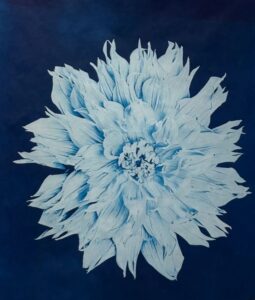
During the last few years, reflecting on this, I have understood that it is vitally important to seek a much closer contact with nature: to pause, breathe, enjoy and appreciate it. In my case, I use photography as the perfect excuse to get closer to it, let it surprise me and constantly learn from its forms. In addition, I seek through images to instill in my young son that same appreciation, care and respect for the natural environment.
I consider photography to be one of the most powerful and flexible media that exist; since its inception, it changed the world completely. It allowed a real record of our environment, always fulfilling a role of impeccable documentation of the human being through portraiture, the memory of cities and the immense and diverse beauty of nature, from its largest details to the most minimal.
In my photographic practice I have turned towards the use of the primitive processes of photography, attracted by the multiple characteristics that make the methods with which this art was born so special and current. Throughout its evolution, photography went through deep stages of research and experimentation, leaving us as a legacy various historical processes characterized by a permanent aesthetic and great beauty. Since I discovered and experimented with these techniques, my love for photography became even greater, allowing me to use them for the recording and printing of images of nature.
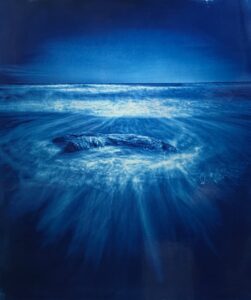
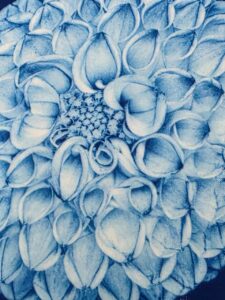
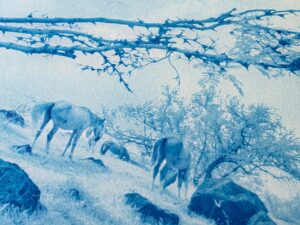
Contemporary photography is usually marked by speed: instant capture, the perfect pixel and the immediate and ephemeral result. However, when I get closer to nature I pause, breathe and enjoy the spaces; I try to live in the moment and appreciate it to document those moments that I then put on paper through these ancient processes.
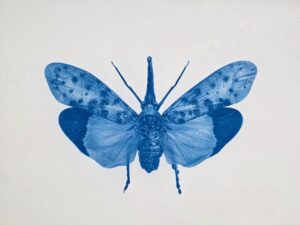
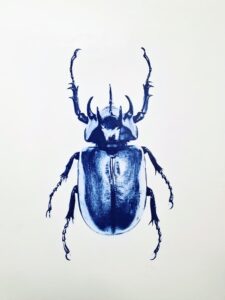
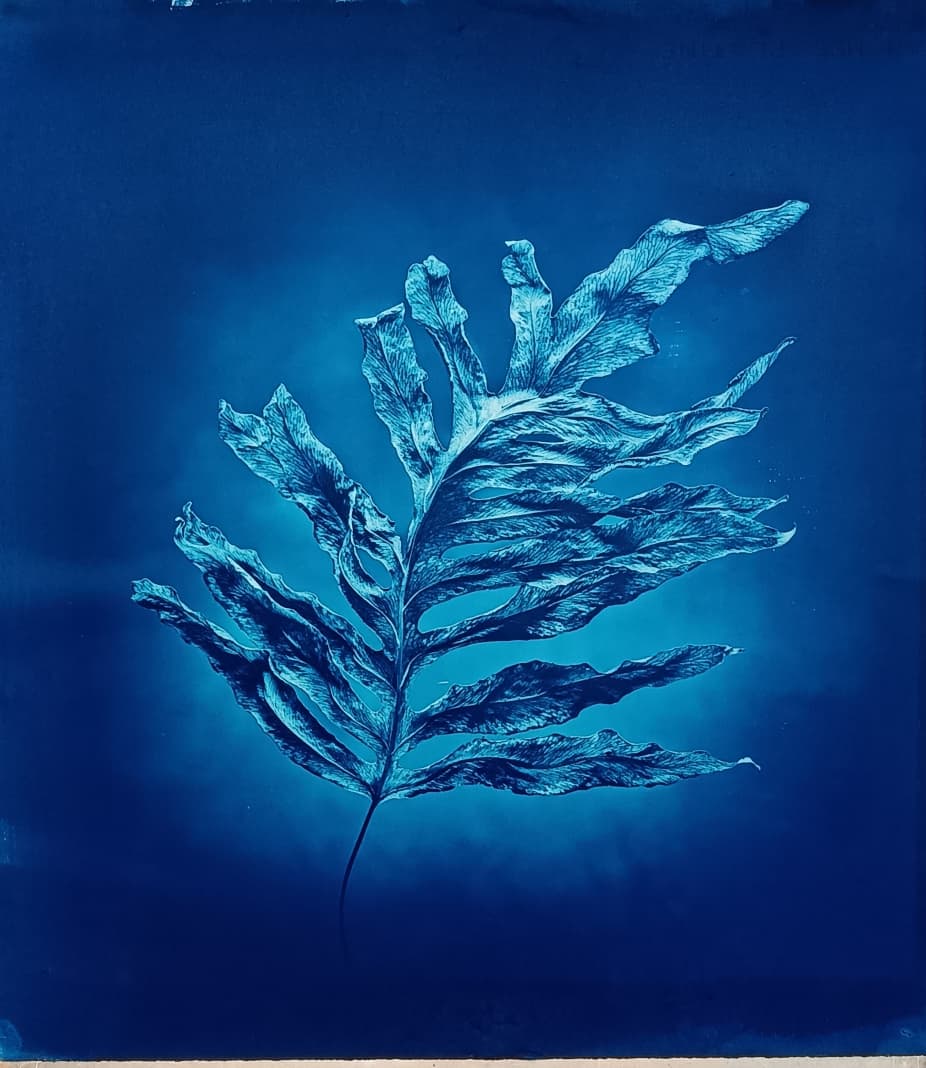
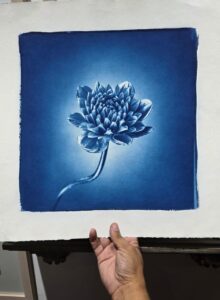
In particular, there is a process that I have a deep affection for: cyanotype. Created in 1842, it was precisely the method used to publish the first illustrated book with photographic prints in history, recording British algae (copies of which are still preserved in various European museums). That is why, in my graphic production work, I return again and again to cyanotype as a printing method. It is one of the noblest and most organic techniques of the nineteenth century, characterized by a beautiful Prussian blue tone that distinguishes it from the classic black and white tones of traditional chemical photography.
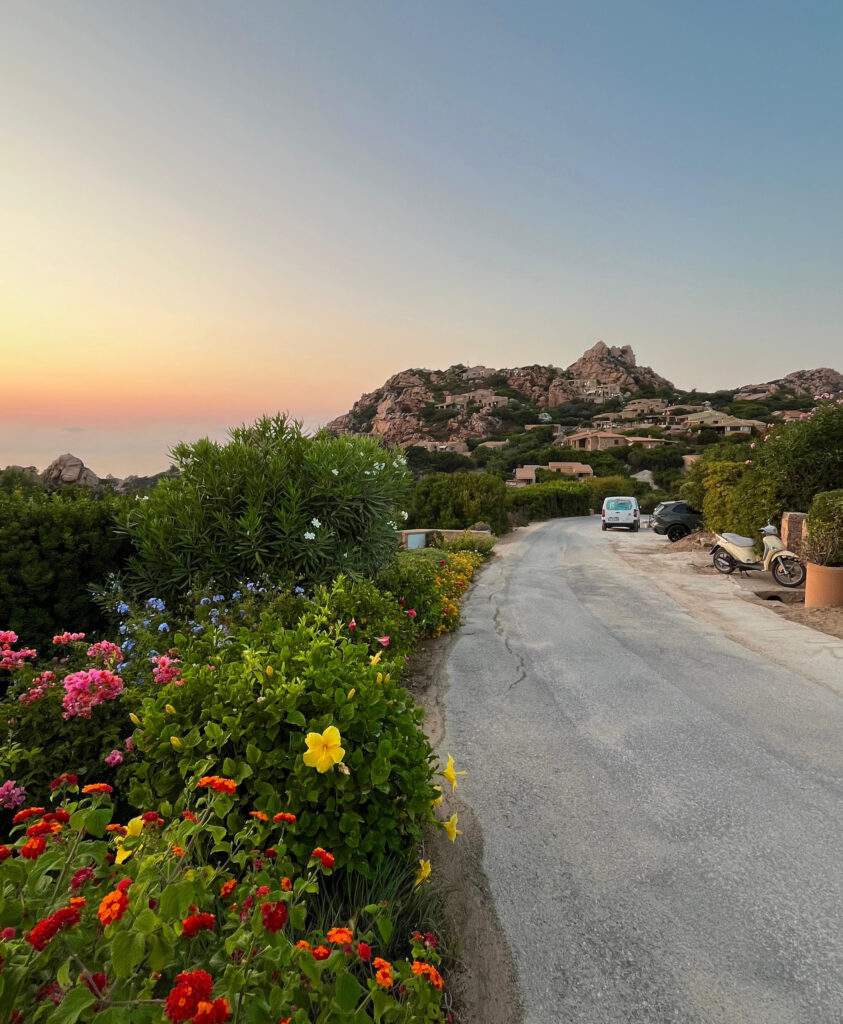
My purpose is to combine my experiences in these natural spaces and bring them to print through this process. Surrounded by green areas, mountains and volcanoes, that is what I always want to witness.